
Agriculture. Changes in the field of agriculture have affected agricultural productivity, crop quality and farmers’ livelihood. Let us know what are the effects of climate change on agriculture and what measures can be taken to solve it.
What is climate change?

Climate change is a permanent change in temperature, rainfall patterns and other weather conditions in the atmosphere. These changes can be caused by natural causes, such as volcanic eruptions or solar activity, but have been exacerbated in recent decades by human activities, particularly carbon emissions and deforestation.
Effects of Climate Change on Agriculture
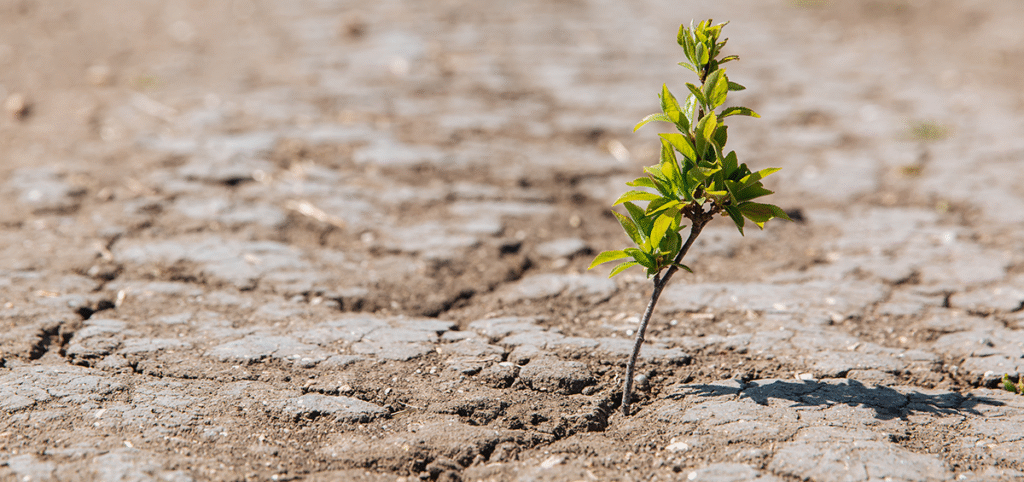
- Decrease in yield
Increasing heat and erratic rainfall patterns due to climate change can affect crop yields. This can prove to be especially dangerous for important crops like paddy, wheat and maize. Uneven rainfall and drought affect crop growth, leading to a decline in agricultural productivity. - Pressure on water resources
Climate change is causing water scarcity, which in turn puts pressure on water resources available for irrigation. Drought and rising temperatures can reduce water storage, reducing the supply of water needed for farming. - Spread of pests and diseases
Rising temperatures and humidity conditions favour the spread of pests and diseases. This leads to greater crop damage, and farmers have to use more chemical pesticides and insecticides, which can be harmful to the environment and health. - Uncertainty in the weather
Climate change has made it difficult to predict the weather. Farmers do not know when it will rain, when there will be drought or how high or low the temperature will be. This uncertainty causes problems in agricultural plans and increases losses.
Solutions: Measures to tackle climate change
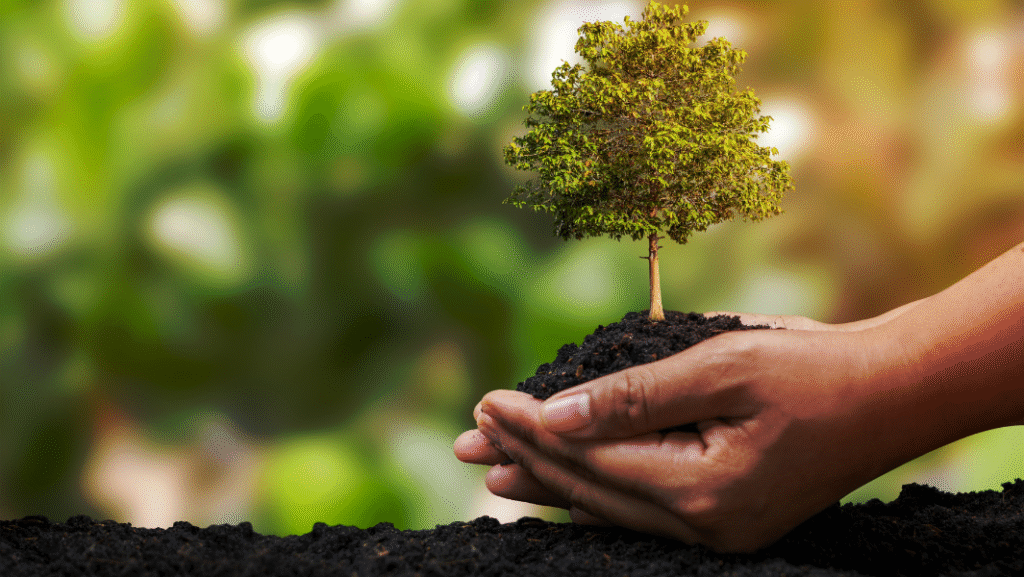
- Adopting sustainable agricultural practices
requires farmers to adopt new, environmentally friendly techniques along with traditional agricultural practices. For example, techniques such as drip irrigation, organic farming, and mulching save water and soil, and thus increase crop production. - Climate-friendly crop diversification
Farmers should consider growing crops that can grow more effectively in changing climatic conditions, such as drought-tolerant crops and varieties that grow well in high temperatures. - Water Harvesting and Conservation
Water conservation is extremely important to combat climate change. Water can be saved by adopting systems of rainwater harvesting, construction of tanks and reservoirs, and water recycling. - Agricultural productivity can be improved by using technological innovations
, such as climate forecasting services, smart irrigation systems, and satellite data. These technologies can provide farmers with accurate information about weather conditions. - Government schemes and support
Governments should provide farmers with the necessary resources and support to cope with climate change. It is important to implement climate-friendly schemes, and make farmers aware of these schemes.
conclusion
Climate change is having a profound impact on agriculture, but with proper measures we can deal with this problem. By adopting sustainable agricultural practices, climate-friendly crop diversification and new technologies, we can protect the agriculture sector from the effects of climate change. For this, farmers, government and society will have to work together, so that we can make agriculture strong and prosperous in the future.ChatGPT can make mistakes. Check important info.
#climate_change #impact_on_agriculture #sustainable_agriculture #development_and_agriculture #water_harvesting #agricultural_problem #agricultural_development #developed_agriculture #Carrerbook #anslation