
In recent years, green technology has evolved rapidly, becoming a driving force for change across industries. With growing environmental concerns and the urgent need for sustainable solutions, green tech is not just a trend but a necessity. As we move further into 2025, the innovations in renewable energy, eco-friendly manufacturing, and resource-efficient technologies are revolutionizing how we live and work. Let’s explore how green technology is transforming the world in 2025.
1. Renewable Energy: The Backbone of a Sustainable Future
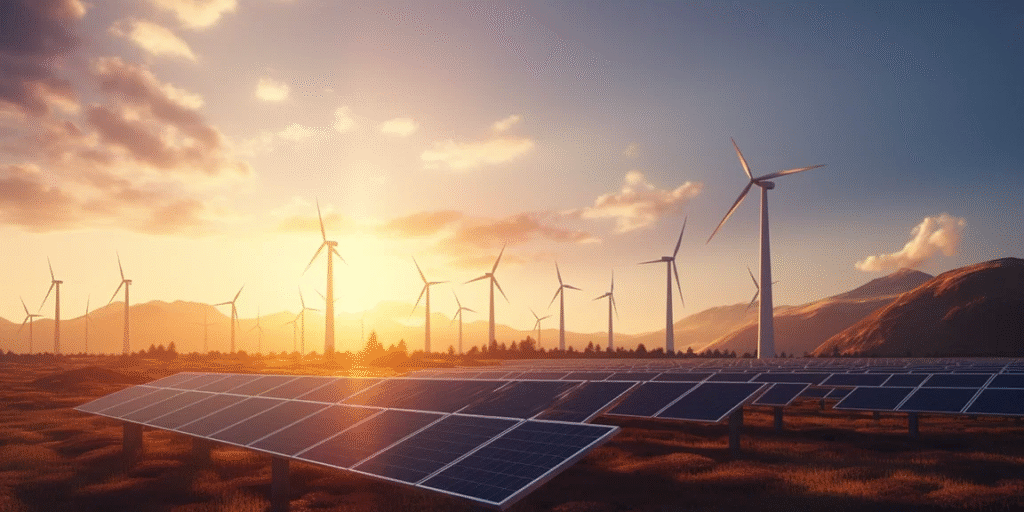
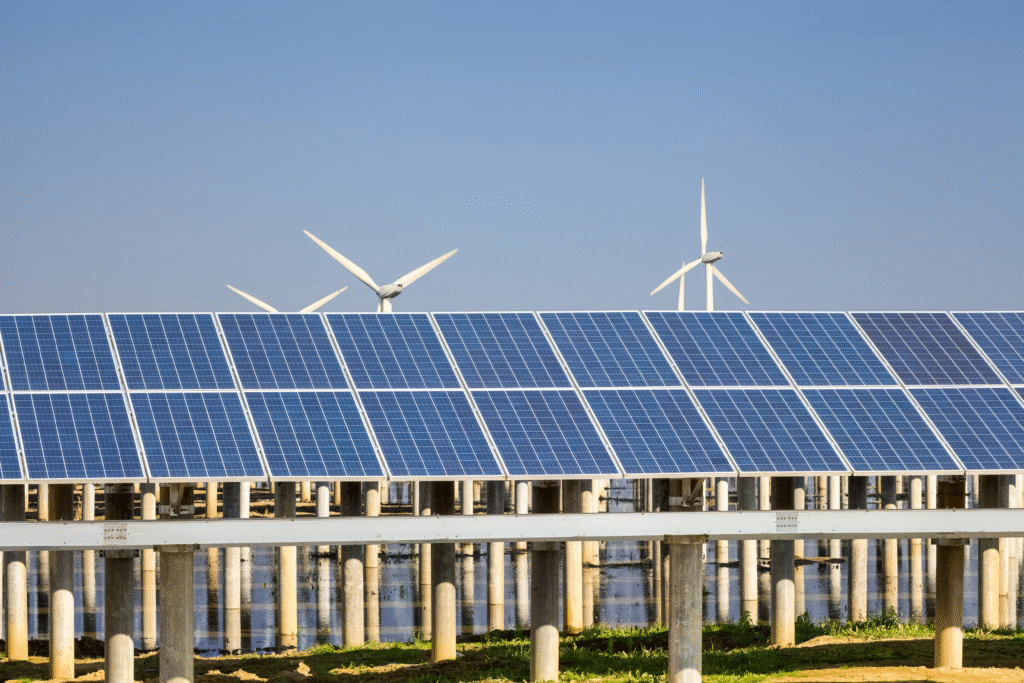
Renewable energy sources like solar, wind, hydro, and geothermal are now more efficient, affordable, and widespread than ever. In 2025, these technologies are powering entire cities and industries. Solar panels, which were once expensive and inefficient, have seen significant advances in energy conversion efficiency, and the costs have drastically reduced. The adoption of solar and wind energy has soared globally, with entire communities transitioning to 100% renewable energy grids.
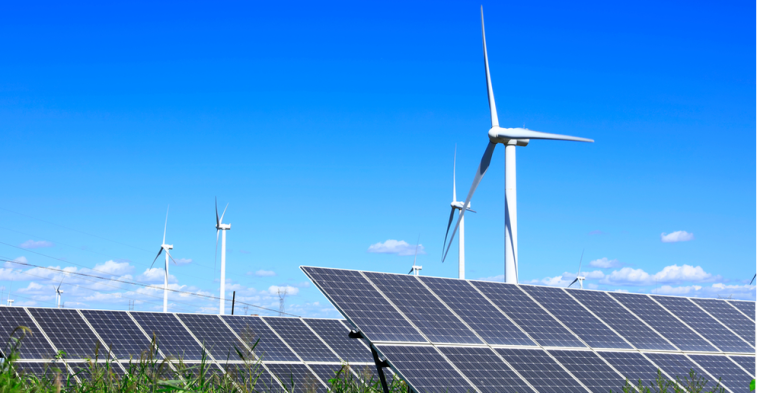
Countries are increasingly integrating these renewable sources into their energy mix, drastically reducing dependence on fossil fuels. For instance, nations like Denmark, Spain, and India are already leading the charge, aiming for carbon-neutral cities by 2030, with green tech as the backbone.
Key Innovations:
- Advanced Solar Panels: Higher efficiency, flexible designs, and lower costs are making solar power accessible to all.
- Offshore Wind Farms: Harnessing the power of oceans, these wind farms are producing clean energy at an unprecedented scale.
2. Electric Vehicles (EVs): Revolutionizing Transportation

Transportation has long been one of the largest contributors to greenhouse gas emissions. However, electric vehicles (EVs) are changing the landscape of the automotive industry. In 2025, EVs have become mainstream, with automakers like Tesla, Rivian, and traditional car manufacturers shifting their focus toward electric models. Governments around the world are providing incentives to switch to EVs, making them more affordable and accessible.

Charging infrastructure is now widespread, with public and private installations ensuring that electric vehicles can be charged conveniently. Additionally, the development of solid-state batteries and faster-charging technologies promises even greater advancements in the coming years.
Key Innovations:
- Fast-Charging Stations: New, ultra-fast charging networks are enabling long-distance travel without the fear of running out of battery.
- Autonomous EVs: Electric vehicles integrated with AI and machine learning are transforming the way we commute, with self-driving technology reducing traffic and emissions.
3. Smart Homes and Energy Efficiency

In 2025, smart homes are more energy-efficient than ever, thanks to the integration of green tech. Smart thermostats, lighting systems, and energy management tools are becoming standard in households. These devices help optimize energy use, reducing waste and lowering electricity bills.
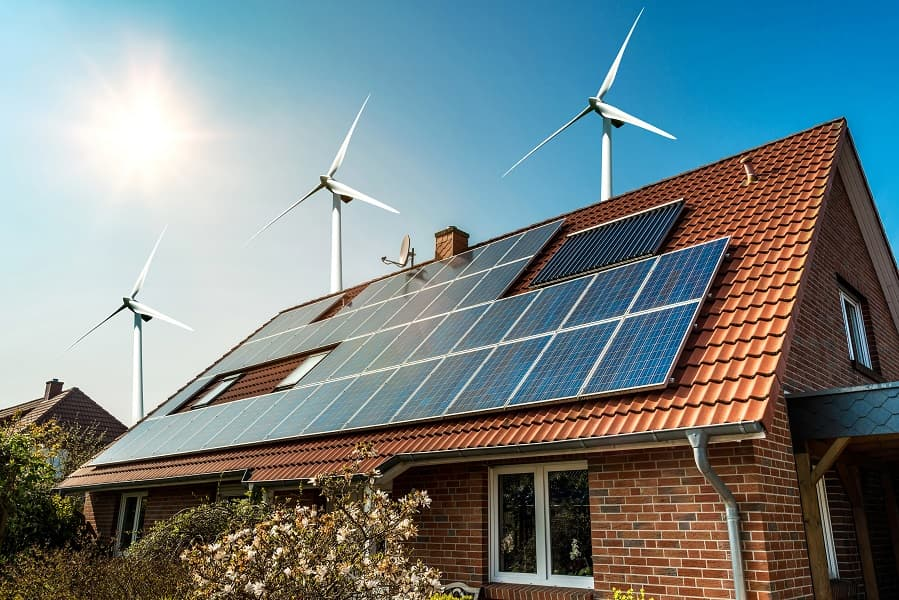
For example, smart thermostats learn your preferences and adjust the heating and cooling of your home to save energy. Solar-powered appliances are also gaining popularity, enabling homeowners to power their homes with clean energy from the sun, even during cloudy days.
Key Innovations:
- Energy-Efficient Appliances: Modern appliances are designed to consume minimal energy while providing maximum performance.
- Solar-Powered Smart Homes: Homes equipped with solar panels, energy storage systems, and smart grids can function autonomously with minimal reliance on external electricity.
4. Sustainable Agriculture: Green Tech in Farming
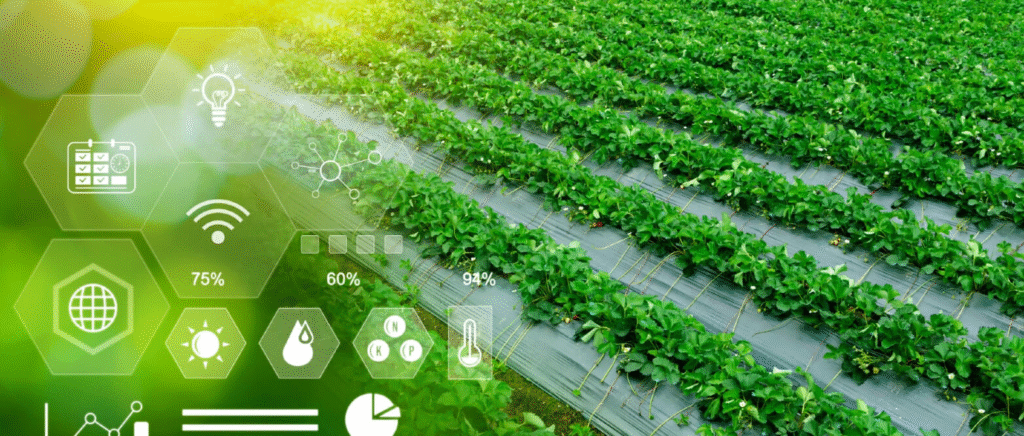
The agricultural sector is a major consumer of resources and contributor to climate change. However, green technology is paving the way for sustainable farming practices. Precision agriculture, powered by drones, sensors, and AI, allows farmers to monitor soil health, water usage, and crop growth with incredible accuracy.
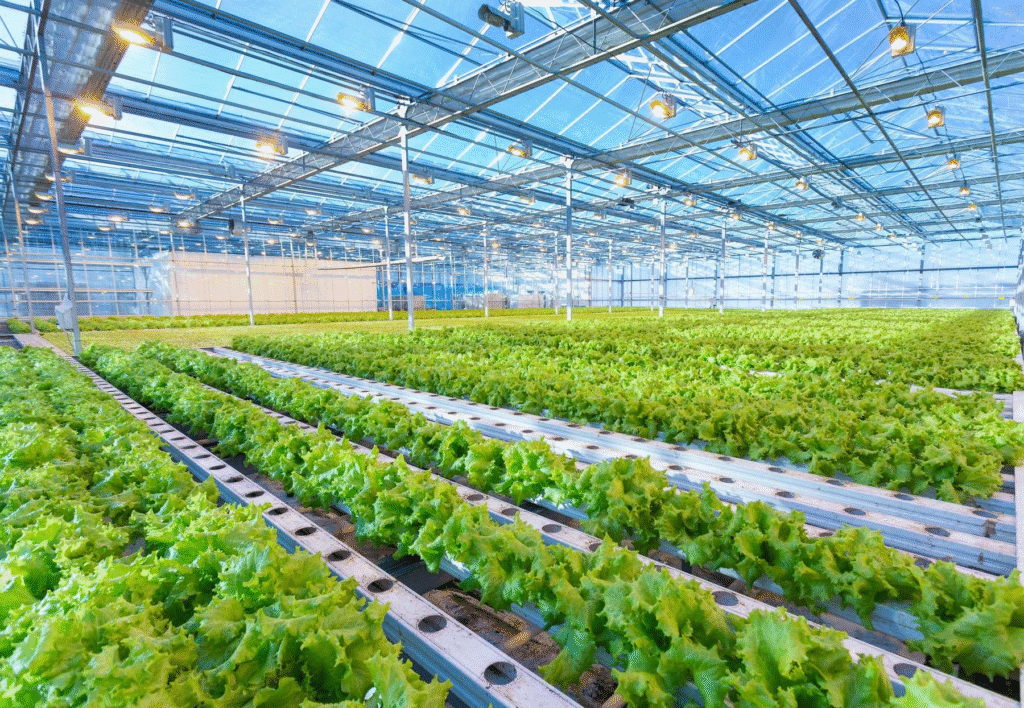
Vertical farming and hydroponics are also gaining traction, enabling food production in urban areas with minimal land and water use. This technology is crucial for feeding a growing global population while minimizing environmental impact.
Key Innovations:
- Drone-Powered Farming: Drones equipped with sensors monitor crop health and apply fertilizers or pesticides only when necessary, reducing chemical use.
- Vertical and Hydroponic Farming: These farming methods use 90% less water than traditional agriculture and allow for year-round production.
5. Circular Economy: Reducing Waste with Green Tech
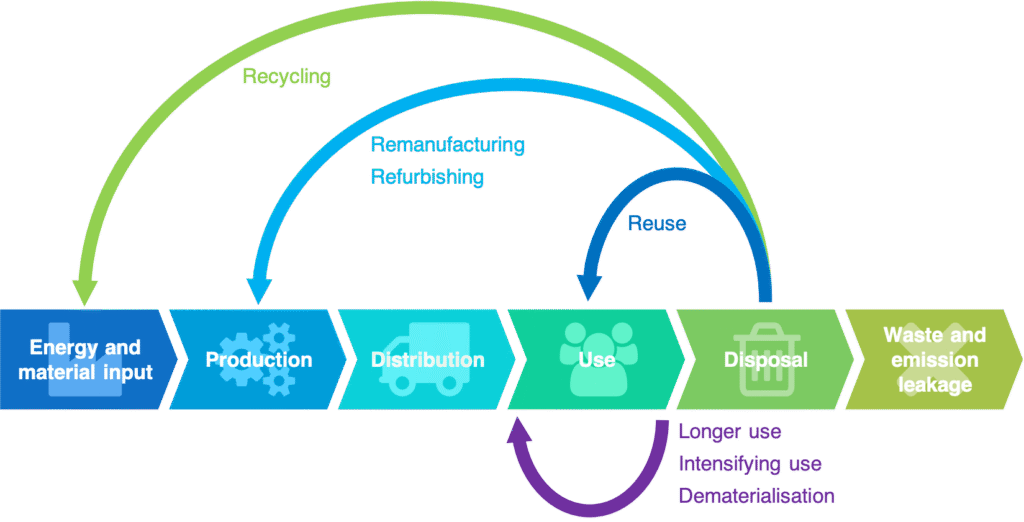
The concept of a circular economy is gaining momentum, where products are designed to be reused, repaired, and recycled instead of discarded. Green technology plays a key role in this, helping to create systems where waste is minimized, and materials are constantly repurposed.
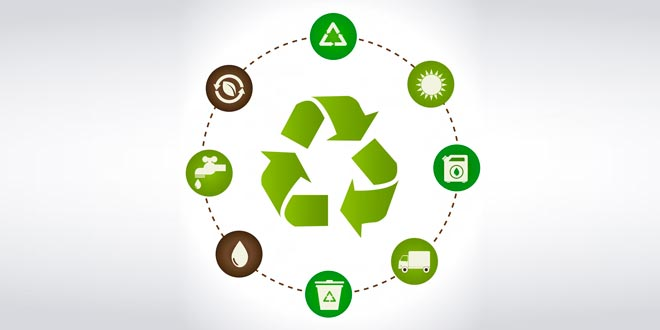
In 2025, companies are increasingly adopting practices that contribute to a circular economy, from eco-friendly packaging to upcycling materials. Innovations in waste-to-energy technologies are also helping convert landfill waste into useful energy sources, reducing the strain on landfills and making use of materials that would otherwise be wasted.
Key Innovations:
- Recyclable Materials: Advances in biodegradable and recyclable materials are reducing the need for single-use plastics.
- Waste-to-Energy: Technologies that turn waste into energy are being used to power homes, businesses, and even vehicles.
6. Sustainable Manufacturing: Greener Production Methods
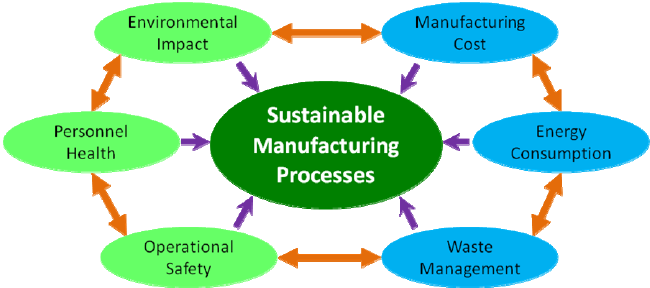
Manufacturing is undergoing a green revolution in 2025. Companies are adopting sustainable production methods, such as using renewable energy in factories, reducing water usage, and minimizing carbon footprints. 3D printing technology, which reduces material waste and energy consumption, is also being utilized across industries.
Additionally, eco-friendly production techniques like green chemistry and low-emission materials are becoming standard in the manufacturing sector, helping to create products with less environmental impact.
Key Innovations:
- 3D Printing: Reducing material waste and enabling the creation of products on-demand, cutting down on the need for large-scale production.
- Green Chemistry: A method of designing products and processes that reduce or eliminate the use of hazardous substances, ensuring cleaner and safer manufacturing.
7. Green Tech in Urban Development
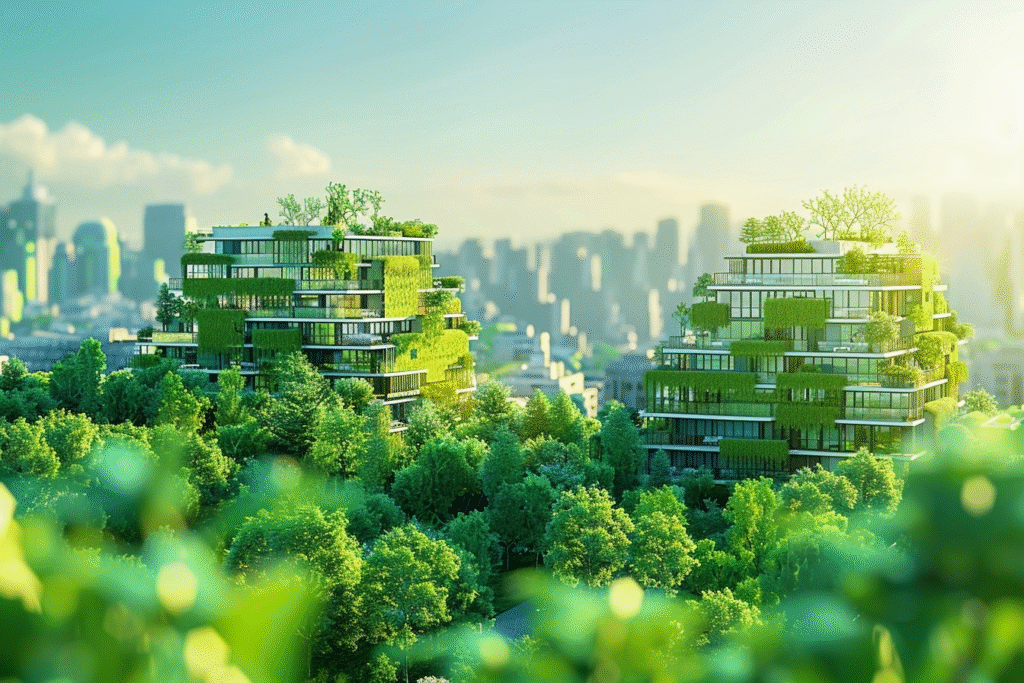
In 2025, cities are becoming more eco-friendly, thanks to green technology. From energy-efficient buildings to sustainable transportation networks, urban areas are embracing smart, sustainable development. Green rooftops, urban forests, and eco-friendly infrastructure are now common in cities worldwide, providing cleaner air, reducing energy consumption, and enhancing residents’ quality of life.

Smart grids and IoT (Internet of Things) technologies are helping cities optimize resource management, including water, electricity, and waste. These innovations are not only enhancing the quality of life but also reducing the environmental impact of urbanization.
Key Innovations:
- Smart Cities: Integrated technologies in urban planning help optimize energy use, improve public transportation, and reduce carbon emissions.
- Eco-Friendly Buildings: Green buildings are designed to be energy-efficient, reducing heating, cooling, and electricity consumption.
Conclusion: A Greener, Smarter World
As we move further into 2025, green technology is becoming an integral part of our everyday lives. From renewable energy and electric vehicles to sustainable agriculture and smart homes, these innovations are reshaping industries and improving the quality of life. The future is green, and with continued advancements in green technology, we can look forward to a cleaner, more sustainable world for future generations.
Hashtags: #GreenTech #SustainableFuture #RenewableEnergy #ElectricVehicles #SmartHomes #EcoFriendlyTech #ClimateAction #SustainableLiving #TechForGood #GreenInnovation #Carrerbook #Anslation